


Chess has always been popular, but the surge in the past five years is irrefutable. Ever since The Queen's Gambit, which debuted amid the COVID-19 in October of 2020, the explosion of interest in the game has skyrocketed. Just like that, people are honing their skills in droves.
Chess is great because it’s a “zero-luck” game of strategy and skill that requires very little equipment and space to play. You can play it against real opponents, a computer, or yourself. And with so many resources out there, it’s easier than ever to learn how to play or continue to improve your game. This curated list of chess audiobooks is for chess players at all stages, so whether you’re a newbie or honing your moves, these listens will help. While you’ll probably never become the next Magnus Carlsen, who became the second-youngest world chess champion in 2013 at age 22, you’ll have plenty of fun trying!
How do you play chess? Is it like checkers?
Some people think because of the similarity in the boards that chess is like checkers, but it's a bit more complicated. Chess is a board game of strategic skill for two players, played on a checkered board. The board has 64 squares arranged in an eight-by-eight grid. At the start, each player controls 16 pieces: one king, one queen, two rooks, two knights, two bishops, and eight pawns. The pieces are moved and used to capture opposing pieces according to precise rules. A player wins when they are able to put the opponent's king in a position from which escape is impossible, which is called a checkmate. In other words: it's chess, not checkers.
What is the history of chess?
The origins of chess are believed to date back to the beginning of the seventh century. The oldest known chess manual, dating back to about 840, was written in Arabic by a renowned Arab chess player named al-Adli ar-Rumi. Over the years, the basics of the game remained the same, while the number of different strategies and notable moves continued to stack up.
The game eventually became a worldwide competitive sport, and today still boasts a large audience and several genius chess players, such as a Norwegian chess grandmaster Magnus Carlsen, who was a child chess prodigy and is the current World Chess Champion, World Rapid Chess Champion, and World Blitz Chess Champion. His peak classical rating of 2882 is the highest in history, and he holds the record for the longest unbeaten run in classical chess.
Chess is great because it requires very little equipment and space to play. You can play it against real opponents, a computer, or yourself. And thanks to the best chess audiobooks, you can learn how to play or continue to improve your game. This curated list of chess audiobooks is for chess players at all stages, so whether you're learning the game or honing your moves, these listens will help. If you're serious about learning, there are plenty of books about chess to teach you. Who knows? You could become the next Magnus Carlsen.

This comprehensive guide not only helps you learn about the pieces, moves, and strategies, but it also helps you understand how chess is a game of intelligence and how playing it strengthens your mind. So even though it is aimed at beginners, it also works as a great refresher for seasoned players. Eric Drummond expertly narrates the fundamentals of chess with a concise, clear voice.

The aforementioned classic coming-of-age novel of chess, feminism, and addiction that kicked off the recent chess craze. Orphan Beth Harmon is only eight years old when she plays her first game of chess. By the age of 16, she’s competing for the US Open championship. But with greater fame and fortune come greater stakes and potential losses. The narrator, Amy Landon is a classically trained actress, dialect coach, and audiobook narrator with more than 300 titles recorded, as well as an AudioFile Earphones Award winner and Audie nominee.

The explanation is all in the title. Everyone has room for improvement, even the chess grandmasters, and Chess helps you learn more chess strategies, and what mistakes to avoid, to become a better player. The narrator, Chris Reilly is an expert at audiobook narration for nonfiction titles, having voiced more than 70 of them to date.
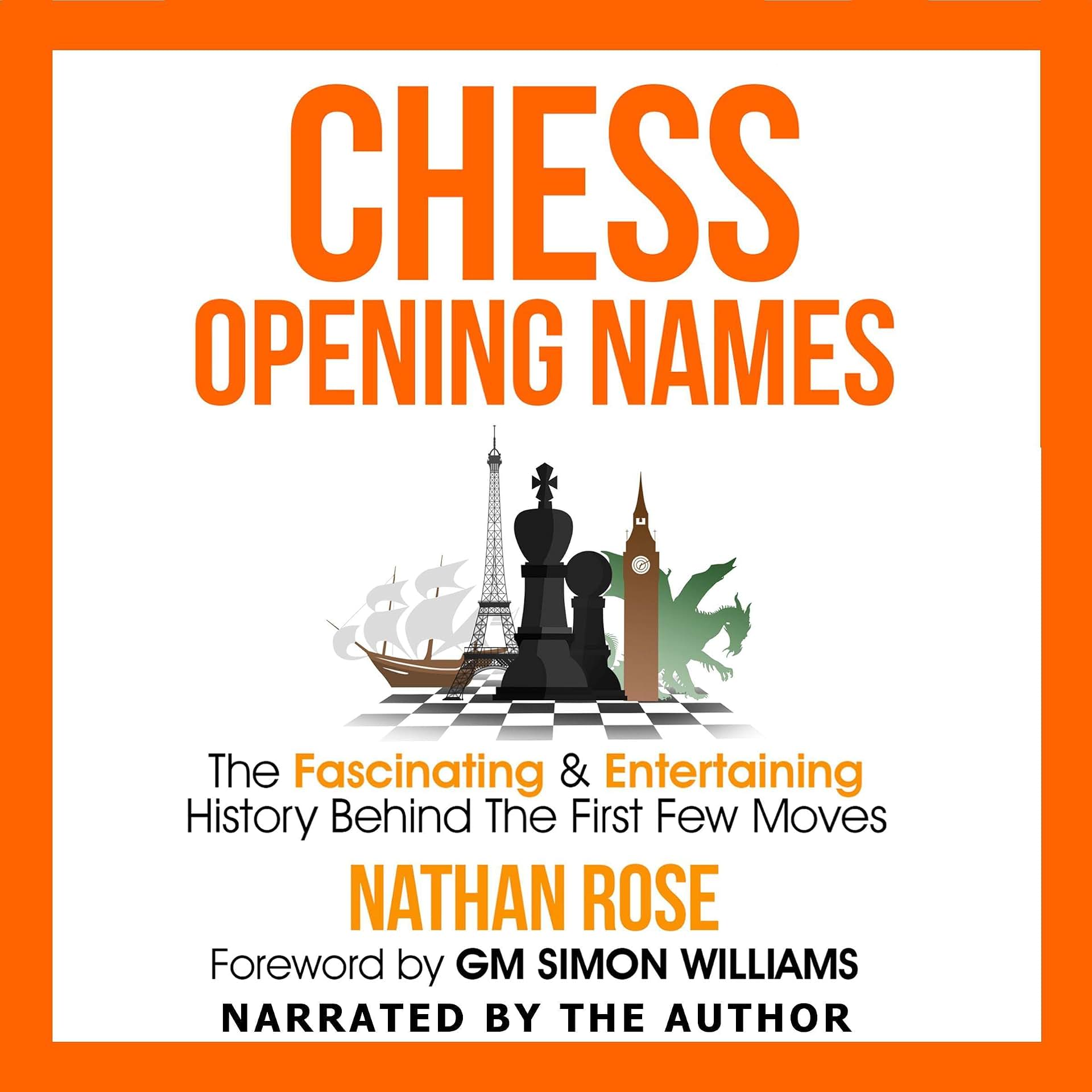
What are the first moves in chess? Do people use the same moves every time? Why do some moves in chess have specific names and who are they named after? Beginners and masters alike can learn a bit of chess history from Chess Opening Names, while also possibly picking up some new moves, including the Sicilian Defense, the Ruy Lopez, the French Defense, the Caro-Kann, the Benoni, the London System, and the Scandinavian Defense. Nathan Rose, who has lent his talents to many other fascinating nonfiction audiobooks, narrates.

This easy-to-understand listen focuses on chess strategies. Not every player uses the same moves, and you have to be ready to counter. Learn the rules of chess, popular chess openings, common mistakes made in chess to avoid, chess tactics and strategies, and how to play a strong endgame. Frank Allen expertly lends his commanding yet understated voice to the narration.

And calling all chess newbies! True to its title, Chess Strategy is an excellent chess strategy guide for beginners (but of course, chess players at any level might learn something). This expertly crafted audiobook will give you the history of chess, from its early beginnings to modern gameplay, beginner-level strategies that you can put to use right away, detailed descriptions of offensive and defensive tactics, and more. And Carly Sanginario's voice is friendly and inviting, which is perfect for beginners.

Frank Brady, who wrote one of the best-selling books on Bobby Fischer of all time and was himself a friend of Fischer’s, now offers a thoroughly researched biography of chess's misunderstood genius. From Fischer's young start to his remarkable chess matches to his later seclusion and struggles with mental illness, Endgame is a sensitive portrait of a true chess champion. Beloved audiobook narrator Ray Porter reads about Fischer's life with strength and compassion.

And for history buffs, chess lovers, or people who just enjoy a great audiobook: The Immortal Game is a look at the origins of chess, how it has captivated people for more than 1,500 years, how scientists believe playing chess benefits and actually alters the structure of the brain, and how the game has had an effect on societies all over the world. Seasoned character actor and audiobook narrator John H. Mayer lends his expertise to the narration.
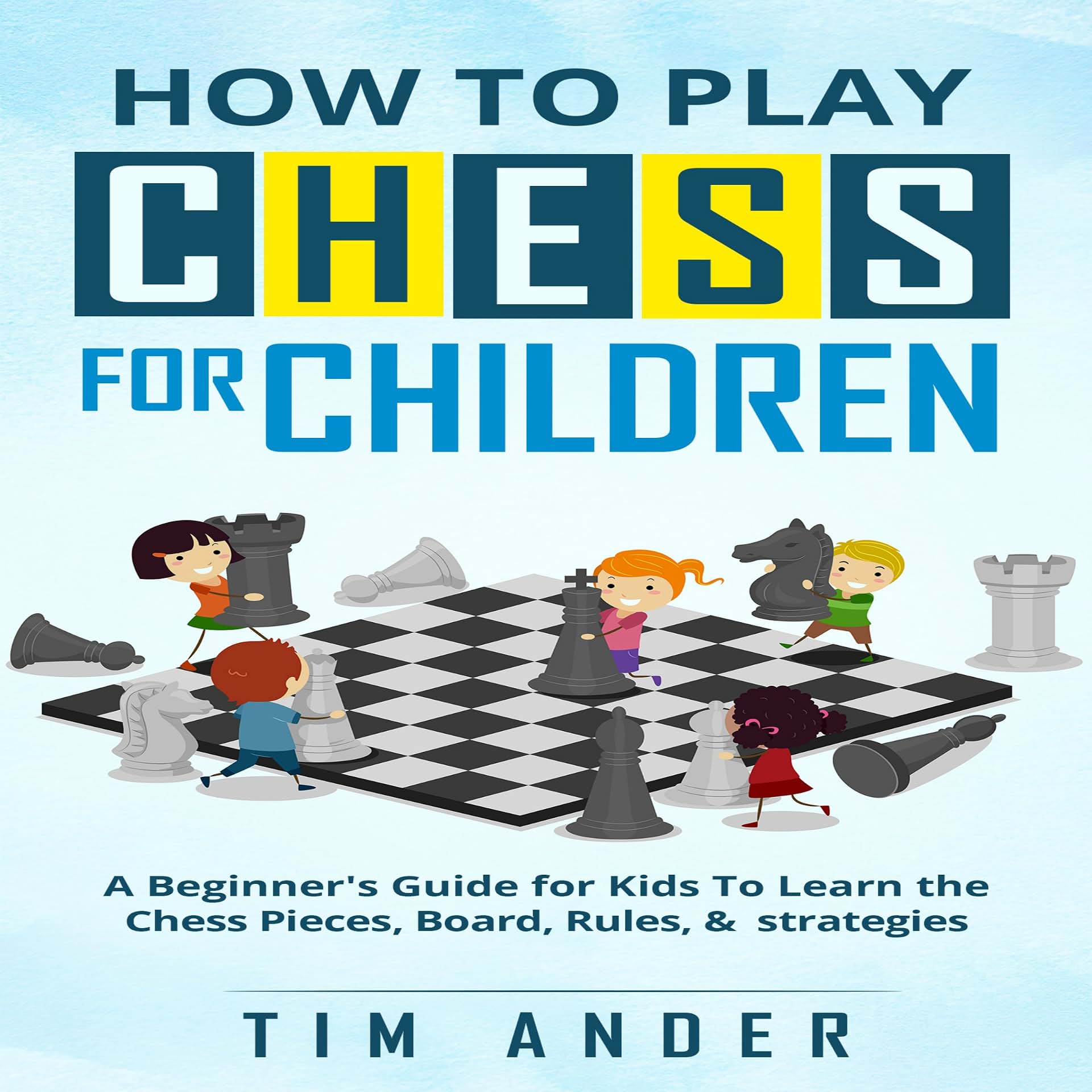
Like a lot of games, sports, and professions, learning how to play chess at a young age can be a huge advantage. Many of the greatest chess players were child prodigies. This easy-to-follow guide details the ins and outs of chess for a younger audience, explaining the pieces and the boards, pawn moves, attacks, and advancement, and much more! Dominque N. Simmons has a friendly yet firm voice, which is great for young listeners.

This is a dramatic firsthand account of the 2016 World Chess Championship between Norway's Magnus Carlsen and Russia's Sergey Karjakin, which rekindled a global fascination with the sport. The Grandmaster gives a great backstory on both players and play-by-play accounts of the game, and unfolds like a masterfully crafted suspense thriller! The listen is brought to life wonderfully with the narration of Jacques Roy.

When IBM supercomputer “Deep Blue” was programmed to challenge—and beat—Russian chess grandmaster Garry Kasparov, the world of technology and the Royal Game changed forever. Deep Thinking is Kasparov’s account of the famous match and serves as an examination of the history, and future, of machine intelligence. His perspective is unique if not a bit controversial: AI models, like Deep Blue, should be seen as partners in our collective rise as humans, rather than something to be afraid of.
With translations in over 60 languages, Chess Story has become the seminal work of fiction for chess players in the 80 years since its publication. When an unnamed narrator runs into chess champion Mirko Czentovic while on a ship from New York to Buenos Aires, he challenges him to a game and loses. A second match that was bound for defeat is interrupted by the mysterious Dr. B, who guides the narrator into a draw. What follows is a story of obsession and struggle, all with Nazi Germany as the backdrop.

For Sasha Chapin, his relationship with chess resembled a storybook love affair. Heartbreak. Excitement. Hatred. Plus, moments of self-discovery and turmoil. In the end, however, chess remained an obsession that he chose to embrace. In All the Wrong Moves, Chapin recalls his two-year journey across the corners of the globe in an effort to find the best-of-the-best in the chess world and find his place amongst it all. Narrated by Chapin himself, this memoir is a classic tale of struggle, resilience, and finding oneself in a sea of adversity.
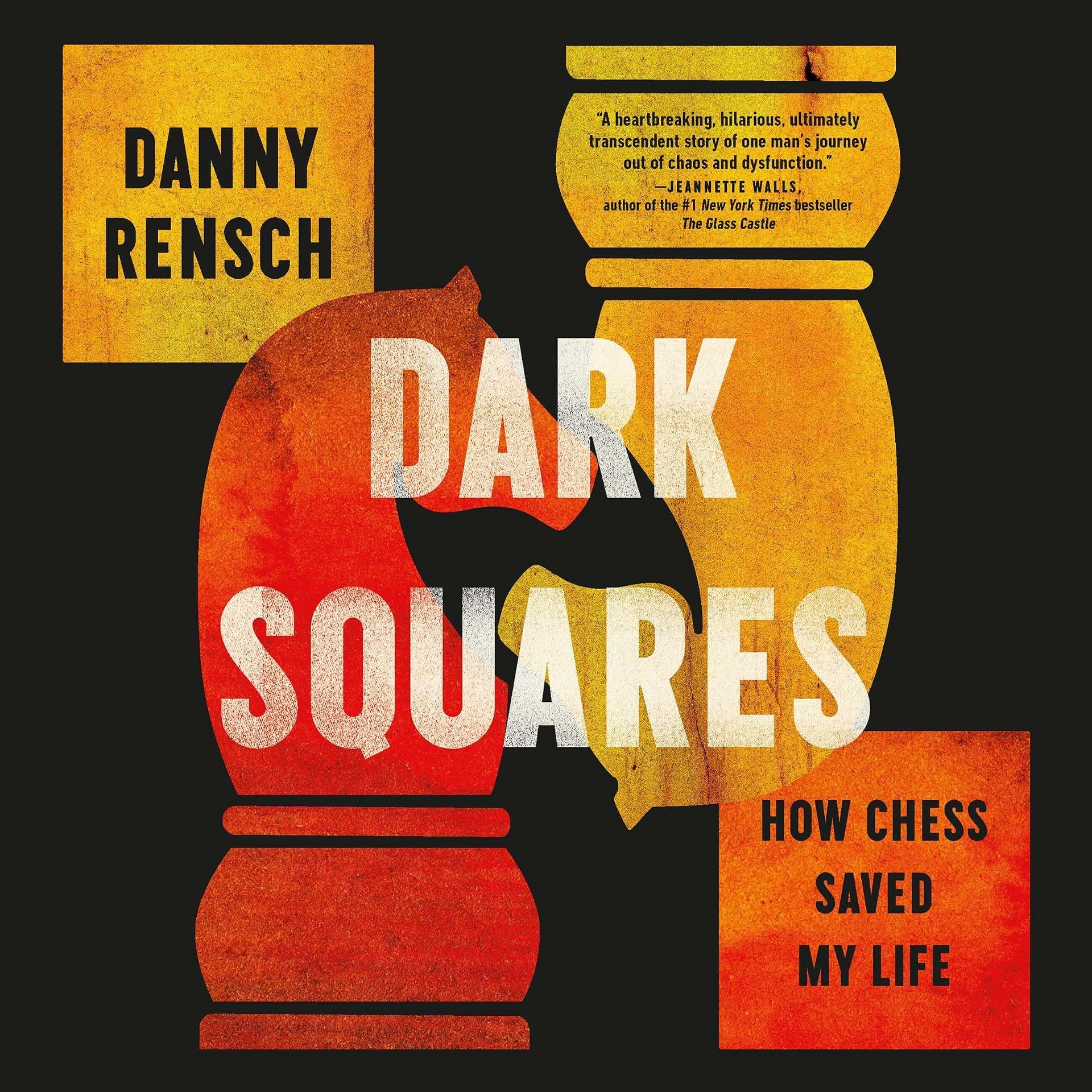
If you’ve ever visited Chess.com, then you’re likely familiar with its co-founder, Danny Rensch. What you may not have known is just how much of his journey to becoming one of the most recognizable names in chess is due to perseverance and trauma. Having spent most of his childhood in the Church of Immortal Consciousness, Rensch describes his years in isolation, having been subjected to psychological torture and abuse. As he explains, discovering chess would go on to be one of the most pivotal moments of his life. Narrated by Rensch, Dark Squares is an honest story of courage and hope that serves as an ode to the game that changed his life.

Considered one of the elder statesmen of online chess journalism, Peter Doggers launched ChessVibes in 2007, which became one of the best chess news and video sites until it was eventually acquired by Chess.com. Not only does he provide an excellent cultural history of the game in his book—starting with its beginnings in ancient India to the current impact of AI—he also explains its popularity, the three biggest geniuses of the game (Fischer, Kasparov, and Carlsen), and explores why the gender gap persists in competitive chess.


