Literacy in Color: A Science of Reading Aligned Podcast for Educators Podcast Por Michelle Sullivan • Literacy Coach & Science of Reading Advocate arte de portada

Literacy in Color: A Science of Reading Aligned Podcast for Educators

Literacy in Color: A Science of Reading Aligned Podcast for Educators

De: Michelle Sullivan • Literacy Coach & Science of Reading Advocate
Escúchala gratis

Literacy in Color is the go-to podcast for elementary teachers, literacy coaches, and reading interventionists who are passionate about bringing the Science of Reading to life in vibrant, engaging, and effective ways. Hosted by Michelle Sullivan — a seasoned literacy expert & Science of Reading advocate - with over a decade of experience as a reading interventionist & literacy coach — this show is designed to help you captivate your learners, boost reading fluency, and foster a deep understanding of language. Each week, you’ll discover practical tips, proven strategies, and creative ideas to make your literacy instruction colorful and impactful. From phonics and morphology to vocabulary building and comprehension techniques, we’ll explore the full spectrum of evidence-based practices that support all learners on their journey to becoming confident readers. Whether you’re a seasoned educator or just starting out, “Literacy in Color” will empower you with the tools, inspiration, and know-how to make literacy instruction not just effective, but truly unforgettable. Are you ready to teach colorfully? Hit subscribe and join us each week for a splash of fun, insight, and colorful learning. Connect with me on Instagram @michelle_thecolorfulclassroom for more tips, resources, and community!The Colorful Classroom Educación
Episodios
  • 93. Foundations for Life with Lyn Stone, Lifelong Literacy
    May 12 2026
    We hear an awful lot about the importance of foundational literacy skills, but exactly belongs in that foundation? Educational linguist and author Lyn Stone discusses her newest resource: Foundations for Life — a structured literacy intervention manual designed for educators, interventionists, and parents supporting developing readers and writers.Lyn also shares her thoughts on the Science of Reading movement and considerations when it comes to thoughtful implementation. This conversation is equal parts intellectually rich, practical, and deeply hopeful for educators looking to better understand how the English writing system actually works – and how to teach it effectively.Key TakeawaysPhonics is necessary, but not sufficient.Writing should begin immediately – not “later”, after reading develops.Graphemes spell morphemes; morphemes spell words.Word relatives help students build durable mental models of the writing system.We also get to hear a live demonstration of one of her lessons, exploring the word family for: oneResources Mentioned:Book: Foundations for LifeMore About “Foundations for Life"Book: Spelling for LifeBook: Language for LifeBook: Reading for LifeLyn Stone’s Courses through Lifelong LiteracyThis post may contain affiliate links, which means if you click on a link and make a purchase, I may earn a small commission at no additional cost to you. Thank you for supporting the podcast!Connect with Lyn Stone:Website: https://lifelongliteracy.com/LinkedIn: Lyn StoneInstagram: @lynstone8 Email: lynstone@lifelongliteracy.comConnect with Michelle:Follow me on Instagram: @michelle_thecolorfulclassroom & @logosliteracyacademyJoin our Facebook CommunitySign up for my NewsletterShop on TPT: The Colorful ClassroomVisit: www.michelleandthecolorfulclassroom.comJoin The COLORFUL Literacy Toolkit MembershipWant to Support the Podcast?Make a Donation to Support ProductionInterested in Learning More about Morphology?Logos Literacy AcademyCourse 1: Mastering Morphology: Foundations for Every EducatorCourse 2 & Curriculum: K-2 MorphologyMonthly Coaching Calls: Logos Live
    Más Menos
    52 m
  • 92. From Ox Heads to Silent Letters: The History of the Alphabet with Dr. Danny Bate, author of "Why Q Needs U"
    May 5 2026
    Linguist and author, Dr. Danny Bate brilliantly shares the fascinating history of the alphabet, while also uncovering some of the logic behind English spelling. You’ll hear about the surprising origins of letters (yes, was once an ox’s head!), that vowels weren’t originally part of the alphabet, how the Great Vowel Shift transformed pronunciation, and of course, “Why Q Needs U”. This episode is a must-listen for educators, language lovers, and anyone who has ever wondered: Why is English spelled this way?Key Takeaways:The earliest alphabet was built on the acrophonic principle (symbols representing the first sound of a word)Early alphabets represented consonants only (vowels were added later by the Greeks)English spelling reflects both: Sound change over time AND Historical and cultural influences (i.e. Norman Conquest, Latin influence)The Great Vowel Shift dramatically changed pronunciation, but spelling stayed mostly the sameSo-called “irregularities” often preserve morphological and etymological meaning connectionsConnect with Danny BateWebsite: https://dannybate.com/Podcast: A Language I Love Is…Book: Why Q Needs U: A history of our letters and how we use themThis post may contain affiliate links, which means if you click on a link and make a purchase, I may earn a small commission at no additional cost to you. Thank you for supporting the podcast!Connect with Michelle:Follow me on Instagram: @michelle_thecolorfulclassroom & @logosliteracyacademyJoin our Facebook CommunitySign up for my NewsletterShop on TPT: The Colorful ClassroomVisit: www.michelleandthecolorfulclassroom.comJoin The COLORFUL Literacy Toolkit MembershipWant to Support the Podcast?Make a Donation to Support ProductionInterested in Learning More about Morphology?Logos Literacy AcademyCourse 1: Mastering Morphology: Foundations for Every EducatorCourse 2 & Curriculum: K-2 MorphologyMonthly Coaching Calls: Logos Live
    Más Menos
    1 h y 12 m
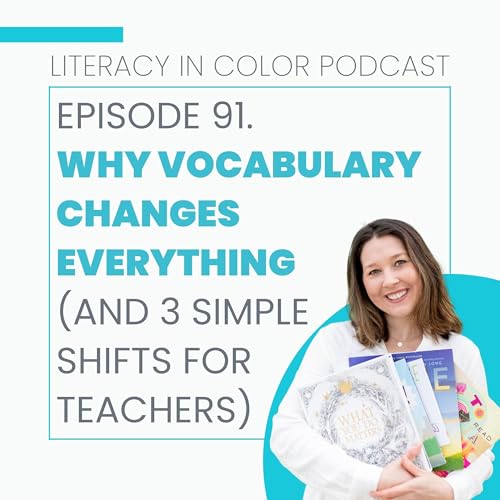
  • 91. Why Vocabulary Changes Everything (and 3 Simple Shifts for Teachers)
    Apr 28 2026

    Vocabulary may be just one pillar of literacy, but it’s also the thread that connects reading, writing, speaking, and thinking.

    In this episode, I’m breaking down why vocabulary truly changes everything when it comes to student learning – and why it deserves more intentional focus in our classrooms. I’ll also share 3 simple, high-impact shifts you can make right away to create a more language-rich environment for your students.

    Key Takeaways

    1. You can decode every word on a page, but without vocabulary, comprehension falls apart.
    2. Make Vocabulary Multisensory: Move beyond definitions and engage students’ senses (especially with images) to make meaningful connections
    3. Prioritize Expressive Understanding: Use sentence stems and structured prompts to push students to think with words, not just repeat them.
    4. Build Word Networks: Help students connect words through associations, morphology, and shades of meaning to deepen understanding and retention.

    Join us at the Science of Reading Mini-Con this June!

    Connect with Michelle:

    1. Follow me on Instagram: @michelle_thecolorfulclassroom & @logosliteracyacademy
    2. Join our Facebook Community
    3. Sign up for my Newsletter
    4. Shop on TPT: The Colorful Classroom
    5. Visit: www.michelleandthecolorfulclassroom.com
    6. Join The COLORFUL Literacy Toolkit Membership

    Want to Support the Podcast?

    1. Make a Donation to Support Production

    Interested in Learning More about Morphology?

    1. Logos Literacy Academy
    2. Course 1: Mastering Morphology: Foundations for Every Educator
    3. Course 2 & Curriculum: K-2 Morphology
    4. Monthly Coaching Calls: Logos Live

    Más Menos
    16 m
adbl_web_anon_alc_button_suppression_c
Todavía no hay opiniones